
If your child is in Year 6, SATs season may be looming large on your radar. Perhaps you have heard other parents talking about them in the school playground and aren’t quite sure what to expect. Here is a clear, straightforward guide to what SATs involve and how you can best support your child through them.
What are SATs? SATs (Standard Assessment Tests) are national assessments taken by children in Year 6 (usually age 10–11) in England. They test attainment in English reading, English grammar, punctuation and spelling, and mathematics. They take place each May, typically over the course of a week.
Do they affect my child’s future? SATs results are used primarily by secondary schools to place children into appropriate sets and by the government to measure school performance. They do not follow your child through life or determine their secondary school place (unless it is a grammar school that uses its own entrance exam). It is important that children understand this, the tests assess where they are right now, not where they are going.
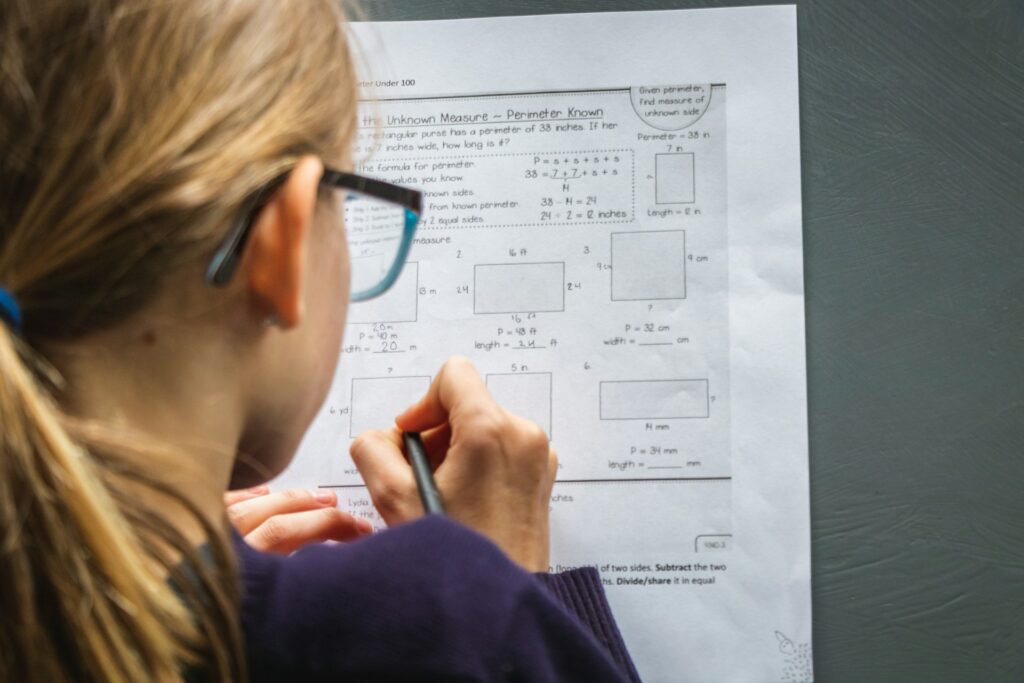
How can I help at home? Consistency is more valuable than intensity. Ten to fifteen minutes of reading each evening, discussing what your child has read, and practising a few maths questions regularly throughout the year will do more than a frantic cramming effort in April. Past SATs papers are freely available online and are a brilliant way to familiarise your child with the format.
What about the week itself? Ensure your child is getting enough sleep in the run-up to SATs week. A good breakfast on test mornings is important, not just nutritionally, but as a calming routine. Try to keep mornings calm and avoid discussing the tests heavily before they go in.
Keep it in proportion. Children pick up on parental anxiety very quickly. If you treat SATs as a high-stakes crisis, your child likely will too. With the right preparation and a calm, encouraging home environment, most children approach SATs week feeling ready, and come out the other side relieved it wasn’t as bad as they feared.